Introduction
In the rapidly https://jaredsvdl989.trexgame.net/ventilator-support-101-every-little-thing-you-required-to-called-a-new-specialist advancing landscape of health care, registered nurses discover themselves at the forefront of patient management and treatment. One crucial location that has gotten prestige over the last few years is ventilation management. As more clients require respiratory system assistance as a result of a variety of problems, the need for specialized training in this domain name becomes increasingly necessary. This write-up will certainly explore the complex connection between nursing and ventilation training programs, stressing why every registered nurse needs to invest in these invaluable educational opportunities.
Why Every Nurse Should Purchase Ventilation Training Courses
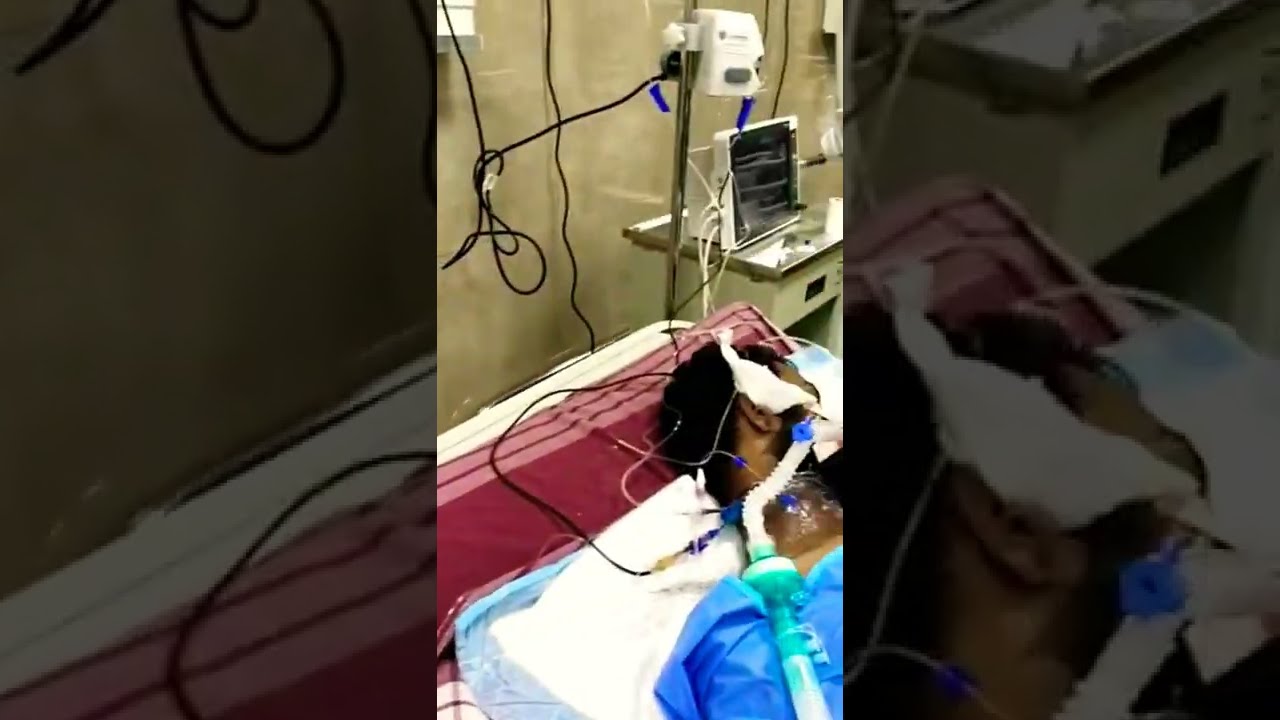
Ventilation training programs are designed to equip nurses with the understanding and abilities necessary to take care of clients requiring breathing support efficiently. These courses encompass a wide variety of subjects, consisting of standard ventilator operation, progressed air passage administration, and particular strategies associated with tracheostomy care. Recognizing exactly how to run and repair ventilators can substantially boost individual end results and lower problems associated with mechanical ventilation.
The Growing Significance of Air Flow Skills
With a boosting variety of clients presenting with respiratory insufficiency or failure, the need for skilled professionals Homepage that can supply effective respiratory tract and ventilation management has actually risen. Nurses play an essential role in tracking people on ventilators, ensuring they get appropriate levels of assistance customized to their specific needs.
The Broadening Duty of Registered Nurses in Air Flow Management
Nurses are no more simple aides to medical professionals; they are currently important participants of the healthcare group responsible for straight patient treatment. This shift requires that nurses have detailed knowledge regarding different clinical tools, including ventilators.
Understanding Mechanical Ventilation- What is mechanical air flow? How does it vary from manual ventilation?
- Why is continual surveillance necessary for individuals on ventilators? What criteria should nurses track?
Real-world Applications of Ventilation Training
In functional settings, nurses commonly discover themselves managing intricate cases where timely treatments can suggest the distinction in between life and fatality. For instance:
- A nurse trained in ventilator pressure support can quickly readjust settings based on a client's changing condition. Knowledge got from a basic ventilator course can aid nurses determine very early indicators of breathing distress.
Components of Reliable Ventilation Training Courses
When taking into consideration investment in ventilation training programs, it's important to understand what these programs usually cover:
Basic Principles of Ventilation- Introduction to various kinds of ventilatory support. Basic auto mechanics behind just how ventilators work.
- Tracheostomy and ventilator management. Troubleshooting common concerns come across during mechanical ventilation.
- Case researches showing real-life situations where proper training made a considerable impact. Hands-on practice with cutting edge equipment.
Benefits of Specialized Ventilator Training for Nurses
Investing time and sources into specialized training yields numerous advantages:

Enhanced Client Safety
With progressed expertise comes raised self-confidence when caring for critically sick people on mechanical support:
- Understanding potential difficulties associated with bad airway management. Being able to recognize when intervention is necessary.
Improved Task Contentment and Career Advancement
Nurses furnished with specialized abilities commonly delight in better job complete satisfaction due to their boosted abilities, leading to career innovation chances:
- Potential duties consist of Medical Nurse Professional or Respiratory Nurse Educator.
Types of Ventilation Training Courses Available
When exploring alternatives for ventilation training courses, think about the following categories:
Basic Ventilator Course
Designed for entry-level registered nurses seeking to build foundational knowledge.
NDIS Ventilation Training Course
Concentrated on specific requirements connected to individuals under the National Special Needs Insurance Coverage Scheme (NDIS).
Advanced Air passage Administration Courses
Targeted at knowledgeable registered nurses seeking to grow their understanding and skills associated with complex cases including airway management.
Frequently Asked Questions regarding Ventilation Training Courses
1. What is a basic ventilator course?
A fundamental ventilator program provides foundational understanding regarding mechanical air flow concepts, helping registered nurses comprehend exactly how ventilators work and just how to check patients effectively.
2. For how long do ventilation training courses typically last?
Most programs vary from someday to a number of weeks depending on their intricacy and depth.
3. Who should take these courses?
While mostly aimed at nurses, other health care experts associated with person treatment may likewise gain from these programs.
4. Are there on the internet options offered for ventilation training?
Yes! Several organizations provide hybrid designs or completely on-line courses that permit adaptability while getting crucial skills.
5. Is qualification provided upon completion?
Most trusted programs provide qualification upon effective completion as evidence of proficiency in handling clients calling for airway support
6. Can ventilation training improve client outcomes?
Absolutely! Proof suggests that well-trained team can better handle complex instances leading ultimately towards enhanced health results for patients needing breathing support
Conclusion: Investing in Your Future as a Nurse
As we navigate via an age marked by significant technological developments within healthcare facilities across numerous nations around the world, spending time into gaining proficiency such as those offered through different kinds of sophisticated educational programs continues to be paramount. The expanding significance positioned upon efficient air passage monitoring can not be overemphasized; for that reason it stands clear why every registered nurse needs to invest greatly right into pursuing extensive education around subjects such as "ventilatory strategies". Not just does this lead in the direction of boosted job prospects however additionally gears up practitioners with required devices needed when offering high quality treatment under tough situations.

Ultimately, by prioritizing expert advancement with targeted coursework like "ventilator training", you're not just improving your capability-- you're adding positively in the direction of much better total health care distribution systems benefiting countless lives along way. So go on-- take that leap ahead; sign up today!